Imagine a place where ancient traditions come alive with a burst of color, rhythm, and raw energy. Where the spirit of a dozen distinct tribes converges in a magnificent display of heritage, unity, and pride. This isn’t a scene from a historical epic; it’s the living, breathing reality of the Hornbill Festival, Nagaland’s most iconic cultural extravaganza. And as December 2025 approaches, the anticipation for this “Festival of Festivals” is already building.
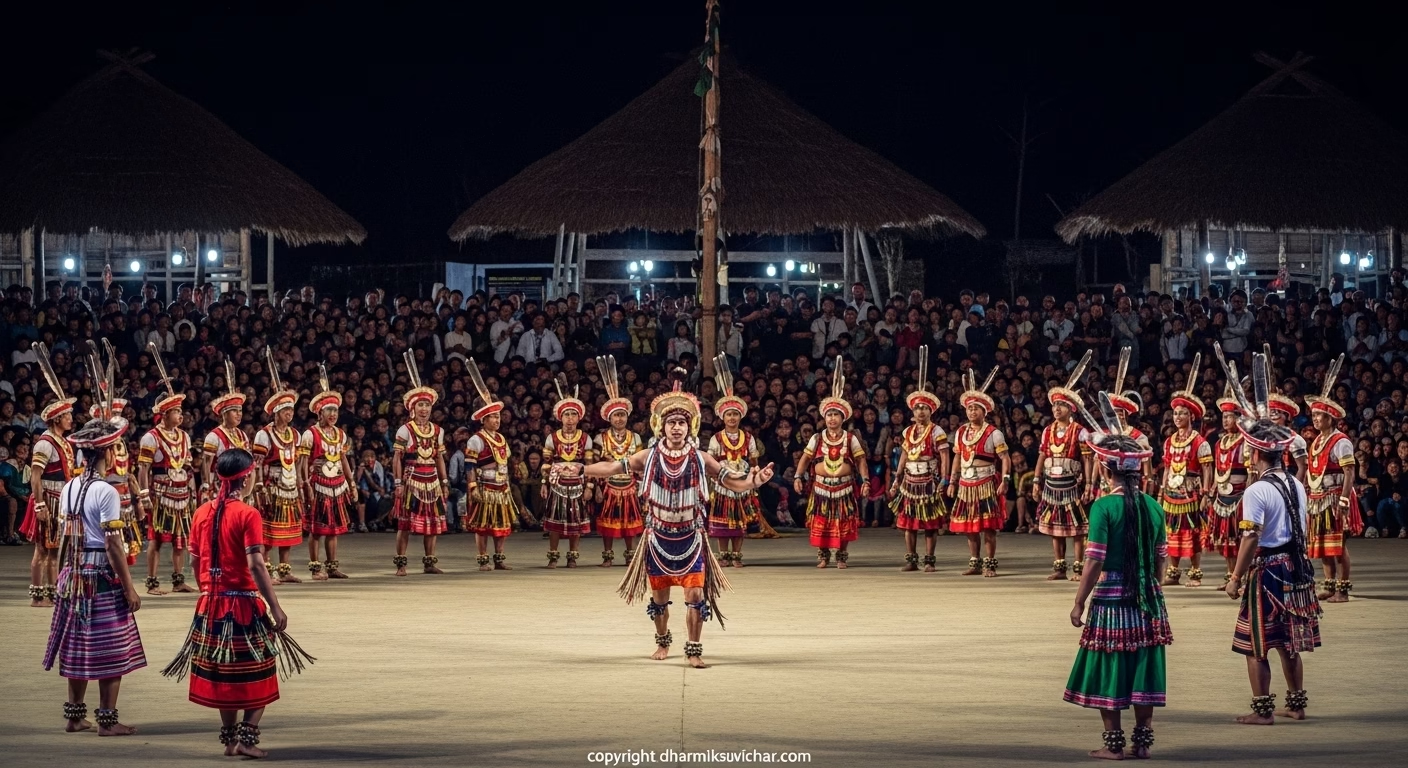
For the discerning traveler, the cultural enthusiast, or simply anyone seeking an experience that transcends the ordinary, the Hornbill Festival offers an unparalleled journey into the heart of India’s Northeast. It’s an immersive spectacle that promises to etch itself into your memory, a vibrant tapestry woven with the threads of Naga history, folklore, and contemporary dynamism. This comprehensive guide is your essential companion to planning and experiencing the Hornbill Festival in December 2025, ensuring your trip is not just a visit, but a profound cultural immersion.
The Heartbeat of Nagaland: Understanding the Hornbill Festival
More than just a festival, Hornbill is a declaration. It’s Nagaland’s grand annual event, celebrated from December 1st to 10th each year, uniting the diverse Naga tribes under one festive canopy. The festival is named after the Indian Hornbill, a revered bird in Naga folklore, symbolizing respect, valor, and purity. Its feathers, often adorning traditional headgear, are a testament to its significance.
A Legacy Forged in Unity and Tradition
The Hornbill Festival was first conceptualized and launched by the Government of Nagaland in 2000. The primary objective was twofold: to revive and protect the rich cultural heritage of the Naga tribes and to foster inter-tribal interaction and harmony. Before its inception, many tribal festivals were celebrated in isolation, within their respective communities. The Hornbill Festival brought them all together, creating a singular platform for showcasing their distinct yet interconnected identities.
This coming together has transformed the festival into a powerful symbol of Naga unity. Each year, the various tribes – including the Angami, Ao, Chakhesang, Chang, Khiamniungan, Kuki, Konyak, Lotha, Phom, Pochury, Rengma, Sangtam, Sumi, Yimchungru, and Zeliang – gather at the Kisama Heritage Village, just outside Kohima, to celebrate their ancestral traditions, perform age-old rituals, and share their unique stories with the world.
Why Hornbill Festival is a Must-Experience in 2025
For travelers, the Hornbill Festival in December 2025 represents a rare opportunity to witness an authentic cultural spectacle that is both ancient and evolving. Unlike many commercialized events, Hornbill retains a profound sense of authenticity. It’s a chance to:
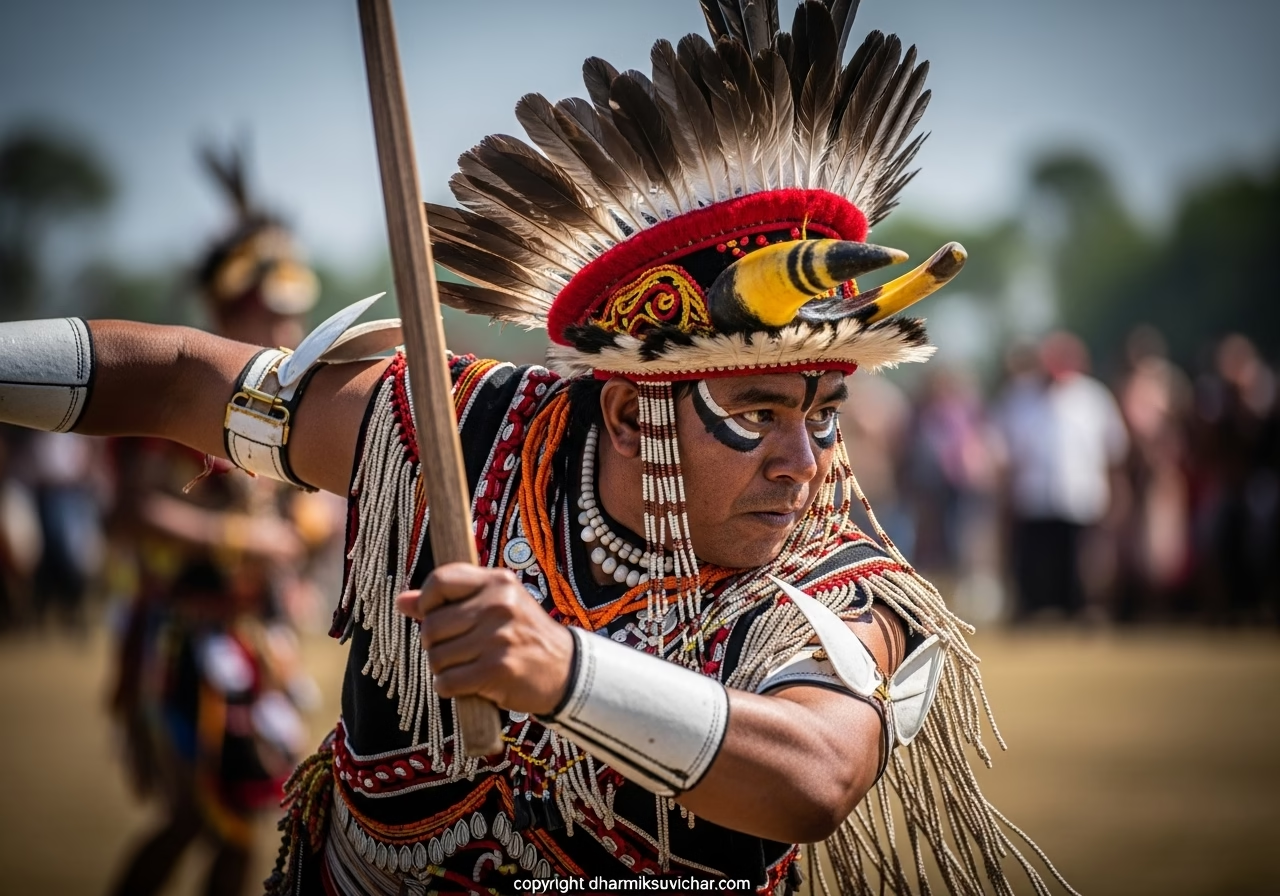
* Witness unparalleled tribal diversity: Each Naga tribe has its own distinct attire, dances, songs, and dialects. The festival offers a microcosm of this incredible diversity.
* Experience living history: Many performances and rituals are centuries old, passed down through generations. You’re not just watching; you’re stepping into a living historical narrative.
* Engage with local communities: The festival provides unique opportunities to interact with Naga people, learn about their customs, and understand their way of life.
* Support cultural preservation: Your presence contributes to the economic viability of the festival, directly supporting the preservation of these invaluable traditions.
* Explore the untouched beauty of Nagaland: Beyond the festival, Nagaland offers stunning landscapes, serene villages, and a chance to truly disconnect.
Planning Your Unforgettable Journey: Hornbill Festival (December 2025)
Embarking on a journey to Nagaland for the Hornbill Festival requires careful planning. While December 2025 might seem distant, securing key aspects of your trip early ensures a seamless and enriching experience.
When and Where: The Essential Coordinates
* Dates: December 1st to December 10th, 2025 (highly anticipated, official confirmation closer to date).
* Primary Venue: Kisama Heritage Village, approximately 12 kilometers south of Kohima, Nagaland.
* Additional Venues: While Kisama is the main hub, various events, concerts, and exhibitions also take place in Kohima town.
#### Inner Line Permit (ILP) – Your Gateway to Nagaland
For Indian citizens, an Inner Line Permit (ILP) is mandatory to enter Nagaland. This crucial document is a protective measure to regulate entry into certain tribal areas.
* How to Apply: ILPs can be obtained online through the Nagaland Government’s official website or in person from designated offices in major cities like Delhi, Kolkata, Guwahati, and Dimapur.
* Key Tip: Apply for your ILP well in advance, preferably a month or two before your December 2025 trip, to avoid last-minute hassles. Carry multiple photocopies with you.
For foreign nationals, the Restricted Area Permit (RAP) requirement has been relaxed for many countries, allowing easier access. However, it’s paramount to verify the latest regulations from the Indian Ministry of Home Affairs or the Nagaland Tourism website. Always carry your passport and visa (if applicable).
#### Reaching the “Land of Festivals”
Nagaland’s connectivity has significantly improved, though reaching Kisama still involves a multi-modal journey.
1. By Air: The nearest airport is Dimapur Airport (DMU), which has direct flights from major Indian cities like Kolkata, Guwahati, and Delhi.
* From Dimapur to Kohima: Dimapur to Kohima is about a 3-4 hour drive (74 km). Taxis (shared and private) are readily available outside Dimapur airport and railway station. You can also pre-book a cab for convenience.
2. By Rail: Dimapur Railway Station is the only railhead in Nagaland, well-connected to various parts of India. From Dimapur, proceed to Kohima by road.
3. By Road: Nagaland is accessible by road from neighboring states. State-run buses and private taxis connect Kohima to Dimapur and other cities in Northeast India.
#### Securing Your Sanctuary: Accommodation for Hornbill 2025
Given the immense popularity of the Hornbill Festival, accommodation in Kohima and surrounding areas gets booked up months in advance. To ensure a comfortable stay for December 2025, consider booking by mid-2025.
* Hotels in Kohima: Various hotels cater to different budgets, from comfortable mid-range options to a few luxury establishments. Booking.com and MakeMyTrip are good starting points.
* Homestays: For a more authentic experience, consider homestays in Kohima or nearby villages. These offer a glimpse into local life and hospitality. Websites like Airbnb or local travel agencies often list these.
* Camping: Several organized camping sites emerge around Kisama during the festival, offering tents and basic amenities. This is a popular and budget-friendly option, often providing a vibrant communal atmosphere.
* Guest Houses: Government and private guest houses also offer lodging.
Pro-Tip for High-RPM Value: When researching accommodation, look for properties that offer cultural experiences, local cuisine, or guided tours. These often attract a higher-value traveler and can be excellent opportunities for affiliate bookings.
Experiencing the Spectacle: What Awaits You at Hornbill Festival 2025
The Hornbill Festival is a feast for the senses, a vibrant explosion of culture around every corner of Kisama Heritage Village. Here’s a glimpse of what you can expect:
The Heart of the Festival: Cultural Extravaganza
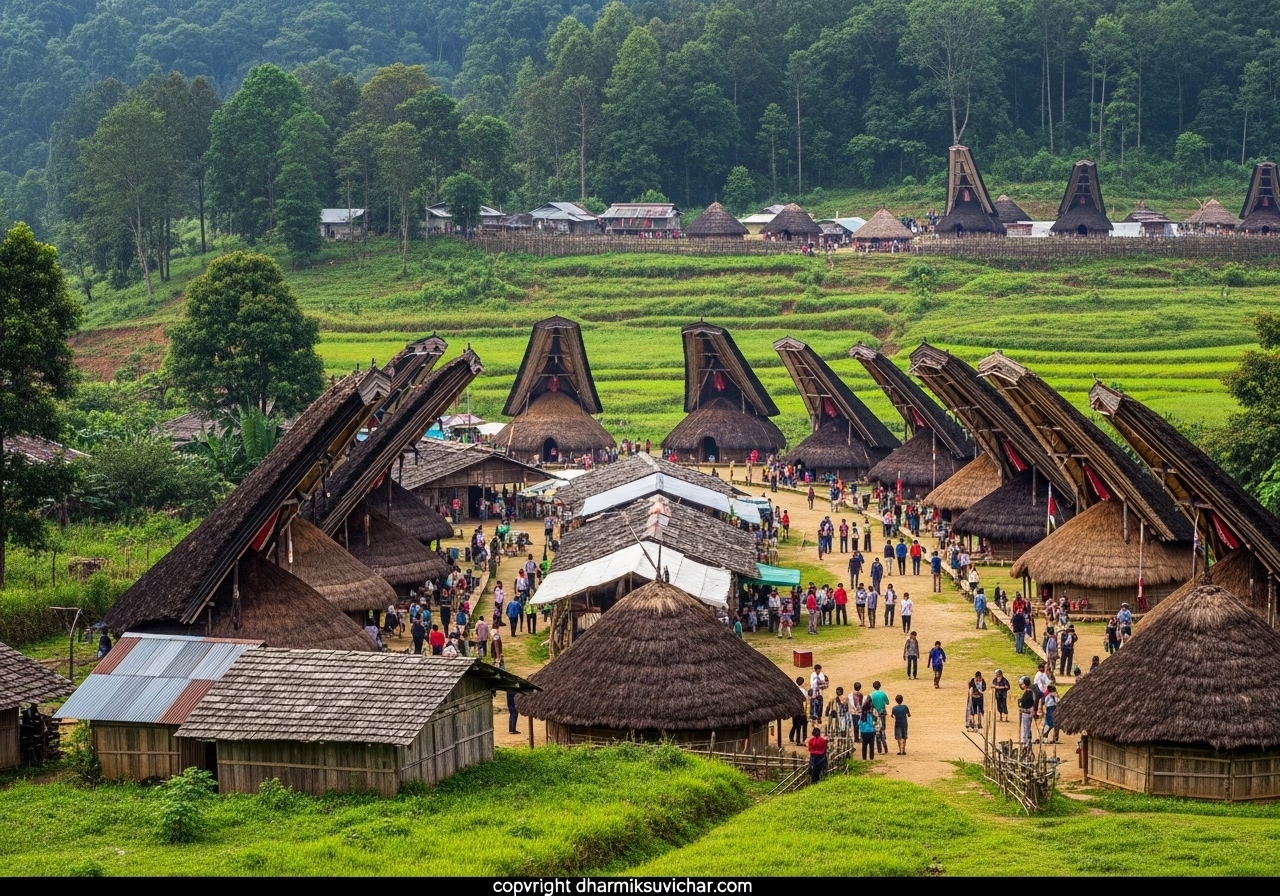
At Kisama, the traditional *morungs* (huts) of each Naga tribe are meticulously reconstructed, serving as venues for daily performances and cultural showcases.
* Traditional Dances & Songs: Witness mesmerizing folk dances like the War Dance of the Konyaks, the Agurshikukyu of the Aos, or the elegant dances of the Angamis. Each movement, each chant, tells a story of valor, harvest, love, or community.
* Indigenous Sports: Be captivated by traditional Naga games and sports. Witness feats of strength, agility, and skill in events like pole climbing, wrestling, and spear throwing.
* Crafts & Exhibitions: Explore stalls showcasing intricate handloom products, exquisite handicrafts, wood carvings, bamboo artifacts, and traditional jewelry. This is an excellent opportunity to purchase authentic Naga souvenirs directly from the artisans.
* Art & Photography Exhibitions: Local artists display their work, often depicting Naga life, landscapes, and folklore. Photography exhibits capture the essence of Nagaland.
A Culinary Journey: Tastes of Nagaland
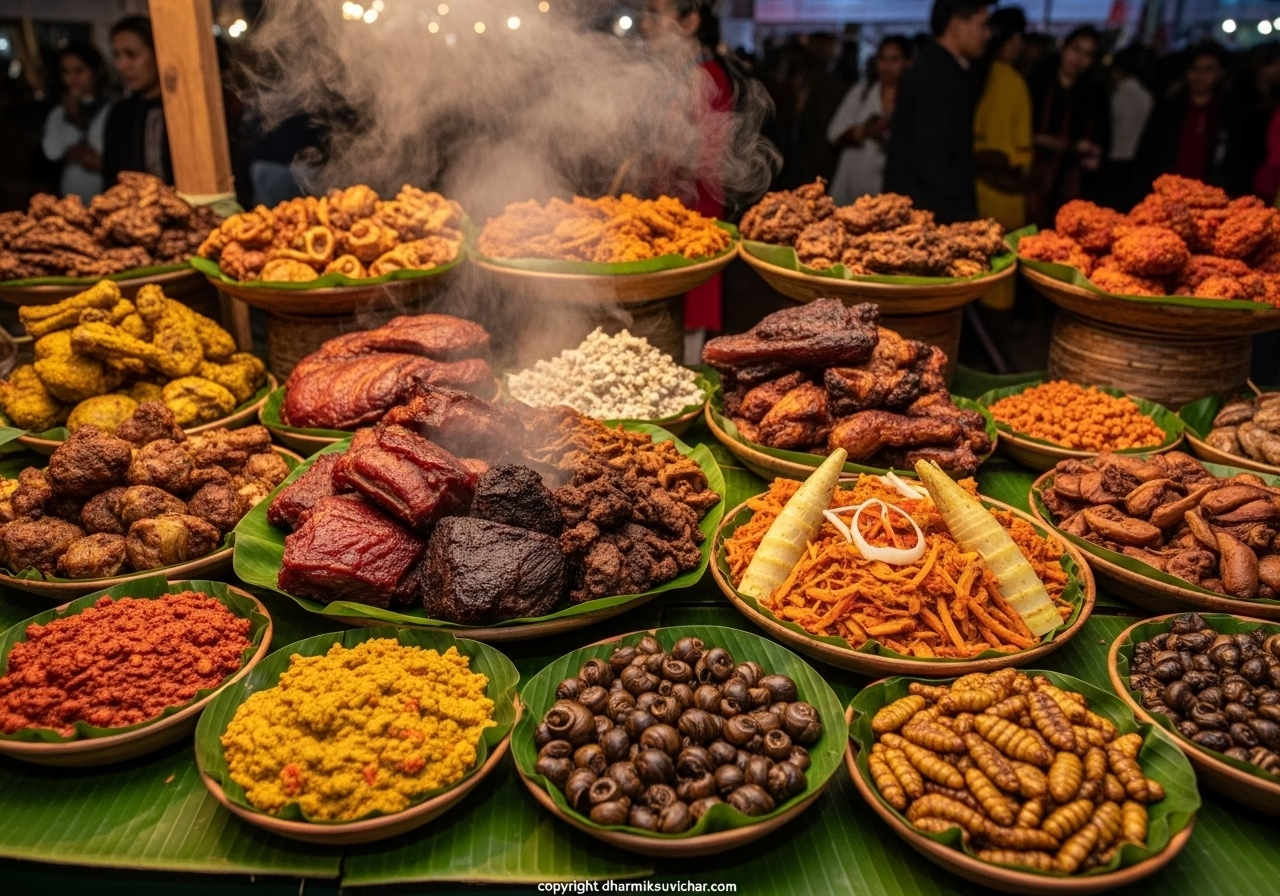
Naga cuisine is distinct, flavorful, and often adventurous. The festival is the perfect place to embark on a culinary exploration.
* Ethnic Food Stalls: Sample a wide array of traditional Naga dishes from different tribes. Expect a lot of smoked pork, bamboo shoot preparations, fermented soy products, and unique local herbs.
* Rice Beer (Zutho): Don’t miss trying *Zutho*, the traditional Naga rice beer, a staple of their celebrations.
* Food for the Soul: Beyond the exotic flavors, the food stalls offer a chance to interact with locals and understand the role of food in Naga culture.
Evening Extravaganzas and Beyond
As dusk falls, Kisama transforms with a different kind of energy.
* Rock Concerts & Music Festivals: The Hornbill Festival is also known for its vibrant evening music scene, featuring local bands and sometimes national artists. The Hornbill International Rock Contest is a major highlight.
* Night Carnival: Kohima town hosts a lively night carnival with food stalls, games, and cultural performances, offering a more contemporary festive atmosphere.
* Fashion Shows: Witness traditional Naga attire evolve into contemporary fashion, showcasing the creativity of local designers.
Maximizing Your Hornbill Experience: Practical Tips for 2025
To truly savor every moment of the Hornbill Festival, a few practical considerations will significantly enhance your trip.
Essential Packing List for Nagaland (December)
December in Nagaland can be chilly, especially in the mornings and evenings.
* Warm Clothing: Pack layers – thermal wear, sweaters, jackets, and a warm cap.
* Comfortable Footwear: You’ll be doing a lot of walking at Kisama. Sturdy, comfortable shoes are a must.
* Rain Gear: While December is generally dry, an umbrella or light rain jacket can be useful.
* Photography Equipment: A good camera, extra batteries, memory cards, and perhaps a telephoto lens for capturing distant performances. (Consider a lightweight tripod for low-light shots).
* Power Bank: Electricity supply can be intermittent, so a power bank is essential for your devices.
* Basic First-Aid Kit: Include pain relievers, antiseptic wipes, band-aids, and any personal medications.
* Torch/Headlamp: Useful for navigating in dimly lit areas or during power outages.
High-RPM Tip: This section is ripe for affiliate links to high-quality outdoor gear, trusted camera brands, and reliable power banks, catering to the adventurous and tech-savvy traveler.
Respecting Local Customs and Culture
The Naga people are incredibly hospitable, but respecting their traditions is paramount.
* Dress Modestly: While there’s no strict dress code, modest attire is always appreciated, especially when visiting sacred sites or interacting with elders.
* Ask for Permission: Always ask for permission before photographing people, especially older individuals or during sacred rituals. A simple gesture or “May I?” goes a long way.
* Engage Respectfully: Be open to conversations, listen attentively, and show genuine interest in their culture.
* Avoid Public Displays of Affection: Keep public displays of affection to a minimum.
* Responsible Tourism: Do not litter. Support local businesses and artisans.
* Kisama Shuttle Service: During the festival, special shuttle services often operate between Kohima and Kisama Heritage Village.
* Taxis: Shared and private taxis are available. Negotiate fares in advance.
* Walking: Kisama itself is best explored on foot, allowing you to immerse yourself fully.
Health and Safety
* Stay Hydrated: Carry a reusable water bottle.
* Eat Wisely: While the food is delicious, be mindful of street food hygiene. Stick to freshly cooked meals.
* Travel Insurance: Always a wise investment, especially for travel to remote regions. Ensure your policy covers medical emergencies and trip cancellations.
Beyond the Festival: Exploring Nagaland in December 2025
While the Hornbill Festival is undoubtedly the main draw, Nagaland offers much more to explore if you extend your trip.
* Kohima War Cemetery: A poignant reminder of World War II, beautifully maintained.
* Kohima Catholic Cathedral: One of Asia’s largest cathedrals, offering panoramic views of the city.
* Dzükou Valley: A stunning valley known for its seasonal flowers and trekking trails (check accessibility in December due to winter conditions).
* Mokokchung: Explore the Ao tribal heartland, known for its vibrant culture and picturesque villages.
* Mon (Konyak Tribe): For the truly adventurous, a visit to Mon can offer a glimpse into the Konyak tribe, historically known as headhunters, and their unique traditions. This requires more extensive planning.
The Enduring Allure of Hornbill Festival (December 2025)
The Hornbill Festival is more than just an event; it’s a living, breathing testament to the resilience, richness, and enduring spirit of the Naga people. It’s a bridge between the past and the present, a celebration that invites the world to witness a culture preserved with immense pride and passion.
As you plan your journey for December 2025, remember that you’re not just attending a festival; you’re becoming part of a story. A story of tribes united, traditions celebrated, and a vibrant culture shared with open hearts. Prepare to be enchanted by the rhythmic beats, the colorful attire, the captivating stories, and the genuine warmth of Nagaland. The Hornbill Festival isn’t just a trip; it’s an awakening, a memory that will resonate long after the last drumbeat fades. Embrace the adventure, immerse yourself in the culture, and let the “Festival of Festivals” transform your understanding of India’s incredible diversity.
👇👇👇👇
In Hindi meditation technique video dharmik suvichar YouTube channel
2 thoughts on “Hornbill Festival 2025: Your Definitive Guide to Nagaland’s “Festival of Festivals””